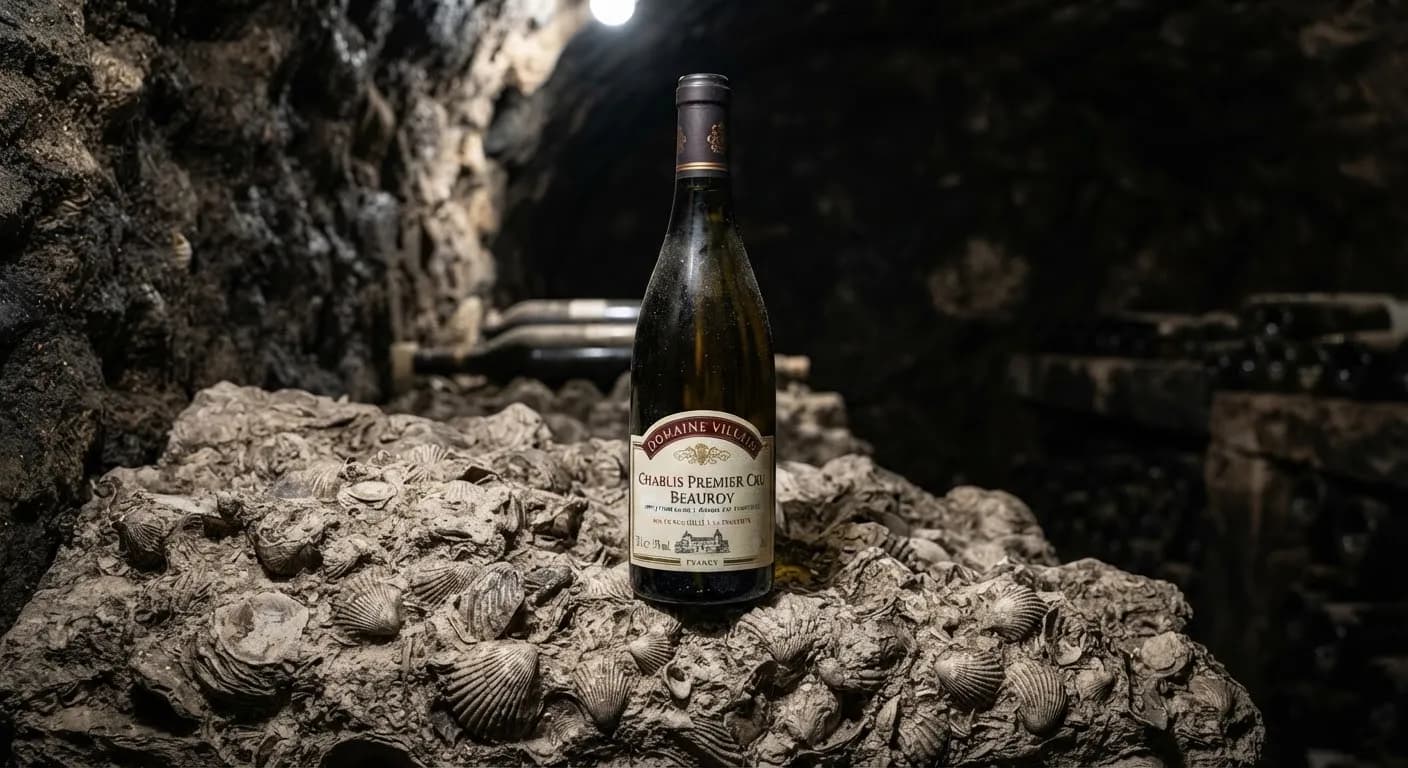
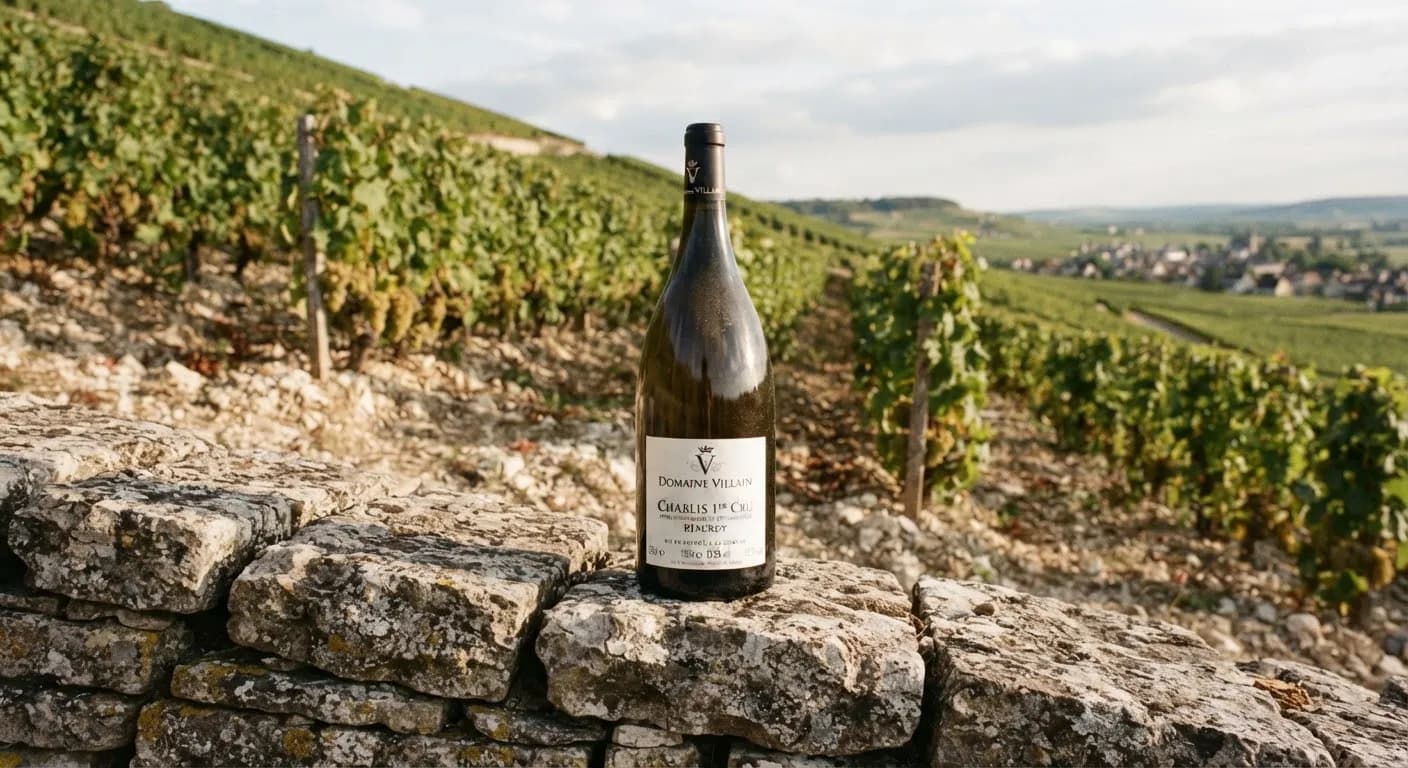
Chablis Premier Cru Beauroy
The Côte de Troëme slope — 13 ares — 1,000 bottles a year
Profile & tasting
A small parcel planted in 1949 by our grandparents, on a slope known as the "Cote de troème", fully south-facing. This savoury wine, with the candied fruit notes the old vines bring, keeps a remarkable freshness and that slight touch of oak that gives it its buttery character.
Technical data
- Soil
- Kimmeridgian, argilo-calcareous
- Exposure
- Plein sud
- Planting density
- 6 000 pieds/ha
- Pruning
- Guyot double
- Yield
- 50 hl/ha
- Alcohol
- 12,5 % vol.
- Vine age
- 75 ans (plantée en 1949)
- Ageing
- 90 % cuve inox, 10 % fût de chêne neuf
- Production
- 1,000 bottles a year
- Formats
- 75 cl and Magnum 150 cl
- Keeping window
- 3 à 10 ans
- Serving temperature
- 10 – 12 °C
Food pairings
Oysters, seafood, fish, burgundy snails, white meat in sauce, Cheese (Beaufort, Comté).
Ageing: tank first, oak for two cuvées.
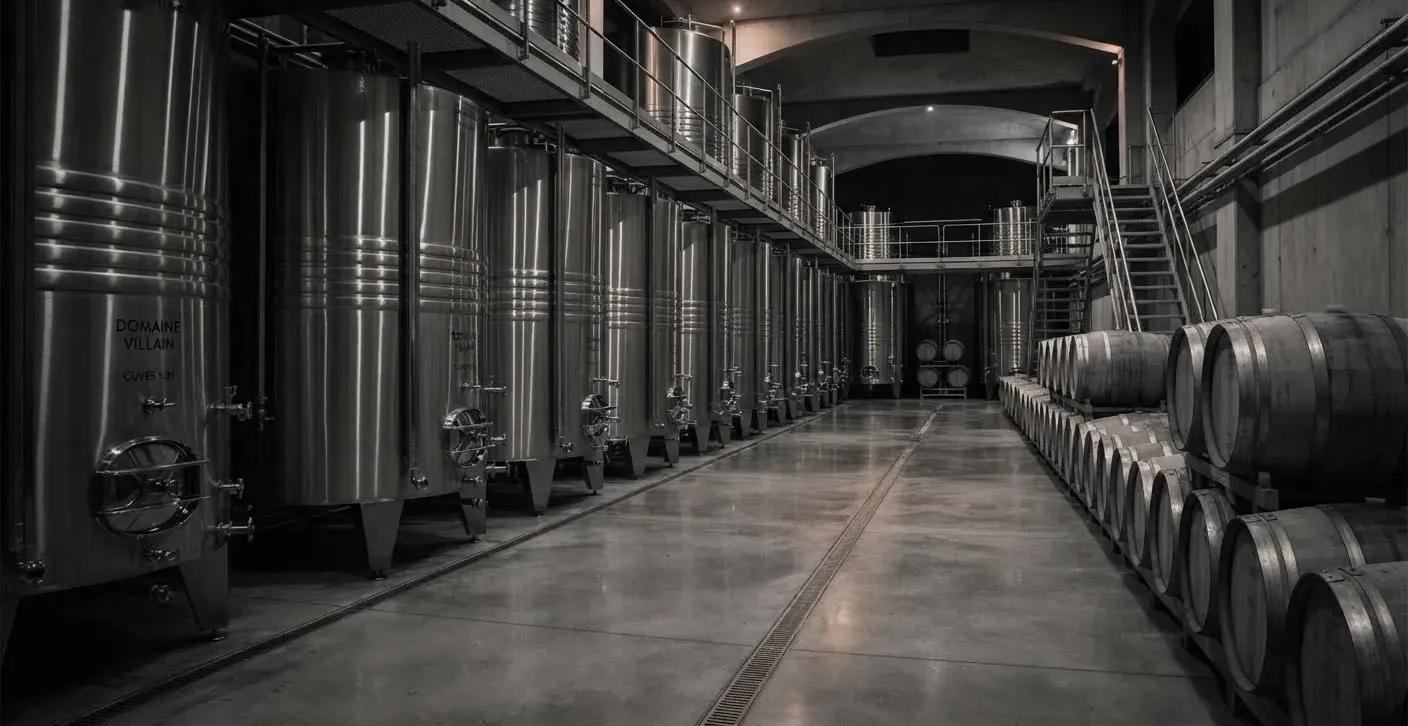
For Petit Chablis and Chablis, the whole of the fermentation and of the ageing takes place in stainless steel tanks. Oak, vanilla and heat mask the delicacy of the marls: we let nothing come between the wine and the stone.
Fermentation held at 19–22 °C · Ageing on fine lees until May
For Cuvée Élégance and Premier Cru Beauroy, the ageing is done separately for 6 to 8 months — 90 % in stainless steel tanks, 10 % in new oak barrels — then the two are assembled just before bottling. Oak used with measure, never as an argument.
Separate ageing, then assembly before bottling
Why this cru, and what it gives in the glass
Beauroy is the only Premier Cru we produce. Three things explain what the wine becomes: a 13-arc parcel planted in 1949, a fully south-facing slope, and a single picking regime. Nothing is added to what the parcel gives.
The Côte de Troëme
The parcel sits on the Côte de Troëme slope, in Kimmeridgian argilo-calcareous soil, on ground that faces due south. The sunlight is direct there, and the grapes ripen more evenly than elsewhere.
Planted in 1949
The 13 ares were planted by hand in 1949 by our grandparents, at 6,000 vines per hectare, pruned in double Guyot. Yield is held at 50 hl/ha: the old vines give less, but what they give is denser.
90% steel, 10% new oak
This wine is aged on its own for six to eight months — 90% in stainless steel, 10% in new oak barrels — and assembled just before bottling. The candied fruit comes from the old vines; the woody note from the barrel.
Our vintages
We have bottled a single vintage so far. The parcel is small, and annual production runs to around 1,000 bottles.
- 2023In bottleThe house Premier Cru, and the estate’s first bottling under its own label.
The technical sheet gives this cuvée a 3 to 10 year keeping window. We serve it at 10–12 °C.
Order from the estate
Our reception point is still a temporary one: the new cellar is being created in the old vaulted cave. We welcome wine lovers, sommeliers and independent wine merchants there for tastings and direct sales.